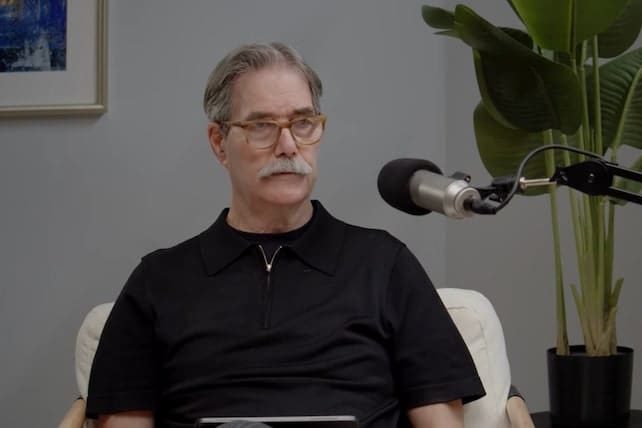
“I mean, who in my life do I look at, and I think they’re beyond redemption? Who am I constantly angry at because they don’t serve my sovereign will?” Tripp asked. “Where do I forget that God exists and [make] it all all about me? Where am I more concerned about the sin of somebody else than I am about my own?”
“Where do I act like right now is all that I have and [I’ve] got to grab everything I can get right now because I only have this life?” he went on. “And I think those are pretty convicting questions.”
“What came to my mind as you were speaking too are people—and this is me I will admit—people who get their theology correct,” Abbott said, “and they’re able to answer all the questions correctly if they were quizzed on it, yet their life would not be a reflection of what their theology communicates.”
There are people we can observe and conclude, “they actually don’t believe what their theology states,” said Abbott. “And that gap between those two things is actually where God wants to meet all of us and close it and help us to live as if we actually believe what this book says.”
“If your life is not a reflection of the things that you think about when it comes to correct theology or the things that you answer correctly,” he added, “you’ve got a huge problem because that’s…functionally, the way you live is the best argument for what you actually believe.”
“Your true belief is your functional theology,” Tripp agreed. He went on to mention the theologians he counseled who were angry men. “That theology hadn’t transformed their living, and it was all about them, and everything made them angry,” he said.
RELATED: 12-Year-Old Camp Mystic Survivor Receives FOX Nation Patriot Award for Faith
“I mean if everything makes me angry,” said Tripp, “that’s me in the center of my world as king. But they could have passed a third-year seminary level theology exam with no problem.”
“The enemy of our souls will gladly give you your formal theology,” Tripp continued. “He’ll give you your Sunday morning church attendance, episodic moments of ministry, if he can rule and control your heart. And that’s where the spiritual war exists.”
This danger is why we need to look at the “necessary elements of the biblical narrative, the gospel story,” he said, and ask ourselves if we are living consistently with what we say we believe. “Do we really live like this? Do I carry these things with me?” Tripp asked. “Or do I just go with my emotions of the moment and forget everything I say I believe?”