Clinton called Rigney an “extremist pastor” and Wilson a “Christian nationalist.” In reference to Stuckey, Clinton said, “Toxic empathy! What an oxymoron. I don’t know if the phrase reflects moral blindness or moral bankruptcy, but either way it’s appalling.”
The former first lady devoted a whole paragraph to Stuckey. “In between lifestyle pitter-patter and her demonization of IVF treatments, she warns women not to listen to their soft hearts,” Clinton said. “This commissar of MAGA morality targets other evangelicals whose empathy, she warns, has left them open to manipulation.”
Notably, Clinton upheld Turning Point USA CEO and Board Chair Erika Kirk as a model of Christian forgiveness for forgiving the murderer of Erika’s late husband, Charlie Kirk, at Charlie’s memorial.
Erika’s example contrasted with Trump’s comments at the memorial when the president said that, unlike Charlie, he hated his enemies. Clinton portrayed these two perspectives as “Christian morality and Trumpian amorality.”
Stuckey has responded to Clinton on Stuckey’s “Relatable” podcast. Wilson and Rigney have reacted to the article as well.
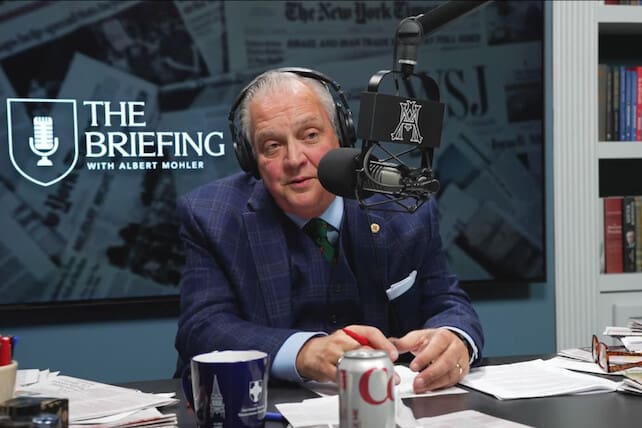
Addressing Clinton’s piece on “The Briefing,” Mohler said, “She wants to make the argument for empathy. But she’s also, and this is what’s most interesting, she’s making an argument based in the moral understanding and reasoning characteristic of mainline liberal Protestantism.”
Clinton is a United Methodist and in her article said, “It has pained me to see my own United Methodist Church split by deep disagreements over gay rights.”
“Many conservative American congregations seceded,” Clinton said, “and joined with traditionalist congregations in Africa and elsewhere to form a separate, less inclusive Church.”
RELATED: More Than 100 Florida Churches File Lawsuit to Leave United Methodist Church
“She clearly understands that there is a radical distinction between conservative Protestantism and liberal Protestantism,” Mohler said. “She doesn’t so much name it that way as she does demonstrate it in her article.”
The seminary president suggested that Clinton was promoting a “social gospel” that “says that the main thrust of Christianity is about social transformation, and Christians have a main responsibility, which is in aiming towards certain liberal ends.”