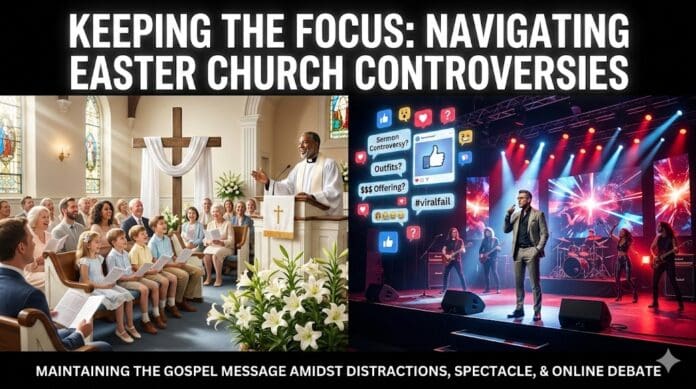
How Churches Can Communicate Well at Easter
Despite the risks of messaging missteps, Easter remains an extraordinary opportunity for gospel witness. With prayerful planning and careful communication, churches can avoid controversy and maximize their impact.
1. Invite but don’t pressure.
Warm, personal invitations—especially from church members to friends and neighbors—remain the most effective way to encourage Easter attendance. Make people feel welcome, not obligated, to show up.
2. Communicate clearly.
Use accessible language and avoid insider jargon. Assume that visitors might not know basic Christian concepts. Provide everyday illustrations to explain terms such as resurrection, grace, and salvation.
3. Focus on the gospel.
Let visuals and music support the message, not compete with it. The resurrection is powerful enough to not need embellishment.
4. Model humility from the pulpit.
From clothing choices to preaching tone, church leaders should reflect the servant heart of Christ.
5. Share the gospel in relatable ways.
One powerful witnessing example came from actor Alan Ritchson. His generosity and public faith conversations at Easter highlighted Jesus rather than promoting himself. Because Ritchson connected Christian faith with practical service, his approach was well-received. Likewise, churches can proclaim the good news of forgiveness and hope at Easter.
Stay Controversy-Free on Easter Sunday
Good Friday was dark, and the need for the cross was scandalous. God’s grace, poured out through Jesus’ death and resurrection, still offends human pride and challenges worldly power. But Easter festivities at your church shouldn’t be controversial. Keep them clear, Christ-centered, and filled with hope.
When churches proclaim and explain the Resurrection, Easter stays joyful. By sharing the truth that Jesus is alive, your congregation can change countless lives—on earth and for eternity.