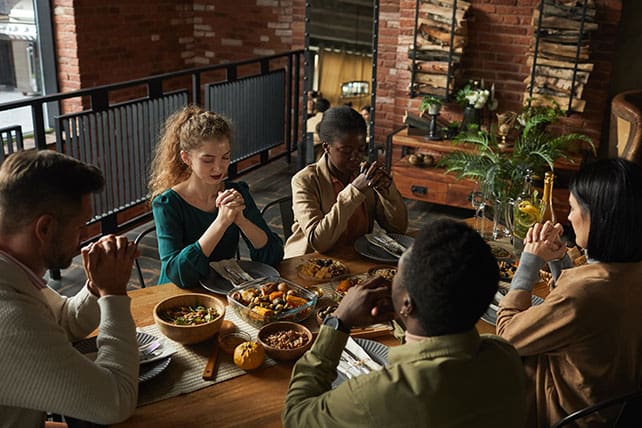
Church leaders often wrestle with the same question every year: should holiday small groups continue meeting during the busy Christmas season, or is it healthier to take a break? The answer isn’t simple. People’s rhythms shift, schedules tighten, and emotions rise—but community is still deeply needed. Navigating this tension takes pastoral wisdom and a measured approach.
Why the Holidays Make Small Group Decisions Complex
December is unlike any other month. Families travel. Schools close. Workloads spike. Church calendars fill with events. All of this impacts attendance and group energy.
But at the same time, the holidays create pockets of spiritual openness that don’t appear in other seasons. People reflect more. They feel loneliness more sharply. They long for connection and meaning. That makes the role of small groups spiritually significant during this stretch.
The Pros of Continuing Holiday Small Groups
Keeping your group rhythm through the holidays can offer real benefits. Before making a decision, consider what might be gained.
Consistency Builds Trust
Some people rely on weekly gatherings for stability. When everything else feels hurried or chaotic, a steady spiritual rhythm helps anchor their week. Even if attendance dips, those who come often appreciate the structure.
RELATED: Small Group Purposes in the Holidays
New Opportunities for Ministry
The holidays bring out emotions—joy, grief, nostalgia, anxiety. A group meeting allows space for prayer, listening, and encouragement. Matthew 11:28 reminds us of Jesus’ invitation: “Come to me, all you who are weary and burdened.” Holiday gatherings can embody that invitation in a powerful way.
Visitors and New Relationships
Many people visit church during the holiday season. If your holiday small groups stay open, you may capture momentum by offering newcomers a chance to belong immediately. A relaxed December meeting can be a low-pressure environment for someone taking their first step toward community.
Creative, Low-Prep Gathering Options
Not every meeting needs to feel like a full study session. Short devotionals, reflective readings, or simple prayer nights can keep group life alive without overwhelming anyone. Sometimes the best December gatherings are the simplest.
The Cons of Continuing Holiday Small Groups
Of course, not every group benefits from pushing through the season. Continuing might create more burden than blessing.
Reduced Attendance Can Hurt Momentum
If half the group is away or unavailable, your meetings may feel thin or inconsistent. Some leaders feel discouraged when attendance dips, even though the reason is seasonal rather than spiritual.
Group Leaders Need Rest Too
Many small group leaders serve in multiple areas of church life during December. Pushing them to continue leading may create fatigue and resentment. A planned break can be a healthy act of stewardship.
Competing Schedules Increase Stress
Families with children often feel overwhelmed with concerts, school events, family gatherings, and travel. Adding one more commitment can make the season feel heavier than it needs to be.
A Break Can Build Anticipation
Sometimes stepping back creates fresh hunger. Ending your fall season with a clear stopping point—and a strong restart date—can generate momentum heading into January.