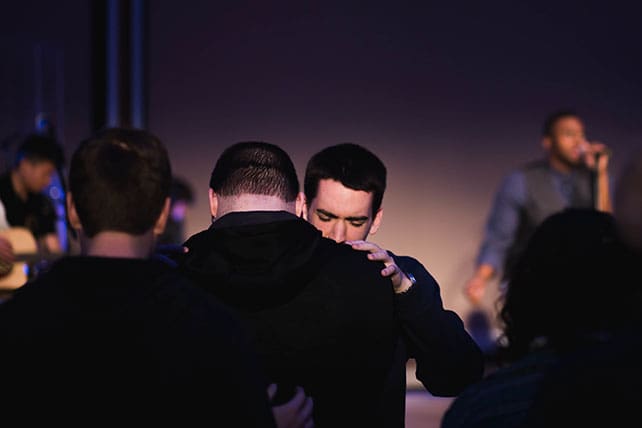
If you lead worship long enough, you eventually feel the tension. You’re trying to lead worship well, but somewhere along the way the role starts to feel more like stage management than shepherding. Lights, clicks, transitions, tone, keys, tempos. All of it matters, but none of it is the point.
The deeper calling of anyone who wants to lead worship is not to produce a flawless set. It is to guide real people toward real engagement with God. That shift from performance to pastoral leadership changes everything about how you prepare, how you lead, and how you measure success.
What It Really Means to Lead Worship
To lead worship is not merely to stand in front of a congregation and sing. It is to take responsibility for the spiritual environment you help create. That includes the tone of humility, the posture of prayer, and the emotional permission people feel to bring their whole selves before God.
RELATED: Writing Worship Songs
Performance asks, “Did we execute this well?”
Pastoral leadership asks, “Did people feel seen, guided, and invited?”
The difference is subtle but profound. One aims for excellence. The other aims for faithfulness. Healthy worship ministries refuse to choose between the two.
When worship becomes pastoral, the goal shifts:
-
From impressing people to serving them
-
From showcasing skill to cultivating trust
-
From control to guidance
Why Performance Is So Tempting
Performance creeps in because it works, at least externally. Tight transitions, powerful builds, and emotional peaks can move a room. The danger is confusing emotional response with spiritual formation.
Church culture often reinforces this without meaning to. Worship leaders are praised for “killing it,” not for pastoring people through grief, doubt, or exhaustion. Over time, leaders begin curating moments instead of caring for souls.
The problem is not excellence. The problem is excellence without empathy.
A worship set can be flawless and still leave people untouched if it never acknowledges the reality they walked in carrying.
Pastoral Worship Starts Before Sunday
Pastoral worship leadership begins long before the first chord is played. It starts with prayerful awareness of your people.
Ask different questions during the week:
-
What is our congregation carrying right now?
-
Where are they weary, anxious, or divided?
-
What truths does our church need to sing until they believe again?
Song selection becomes less about variety and more about formation. Repetition becomes a gift, not a failure of creativity. Familiar songs create space for participation, especially for those who arrive tired or distracted.
Pastoral leaders choose songs not just for sound, but for shepherding.