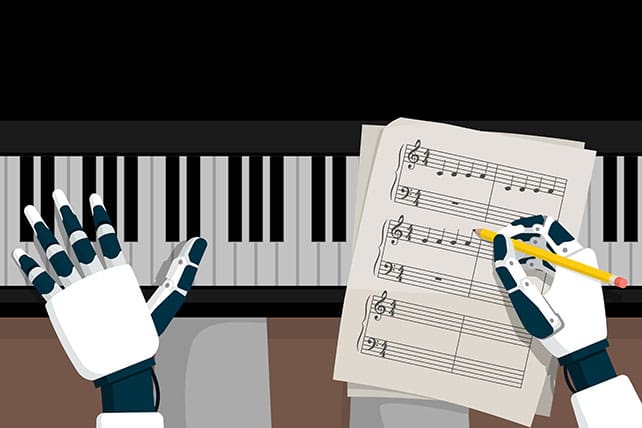
The conversation about AI-written music is no longer happening on the far edges of tech podcasts; it’s happening in worship planning meetings and among ministry friends over coffee. Some churches are already experimenting with songs shaped by algorithms, while others feel uneasy about bringing anything synthetic into the sanctuary. This moment gives pastors and worship leaders a chance to think carefully, prayerfully, and creatively about how technology can serve the church without replacing the human heart behind worship.
So how do we decide? Let’s look at the opportunities, the concerns, and the path forward.
Weighing the Benefits and Limits of AI-Written Music
What AI can actually offer
AI can draft musical ideas quickly, giving worship leaders a starting point instead of a blank page. It can help small churches that lack songwriters generate fresh expressions of praise when resources are thin. It can also help teams experiment with new styles or arrangements.
Some leaders use AI as a brainstorming partner. For example, you might input Psalm 23 themes and ask for melodic ideas, then take the output as raw material for a song your team shapes and personalizes. Used wisely, AI can help creativity flow rather than stall.
Where the limits begin for AI-written music
AI does not have a soul. It cannot testify. It cannot suffer, repent, rejoice, or encounter Christ. Congregational worship has always been rooted in human response to a living God, expressed by people who know both grace and gravity.
When evaluating AI-written ideas, worship leaders must ask:
-
Does this lyric express genuine biblical truth?
-
Does it sound like worship or like a generic inspirational slogan?
-
Is the tone appropriate for gathered believers?
If the song doesn’t ring true in the heart, no clever chord progression is going to fix it.